Author: Team ClassWork
-
Silicon (Si)
🔹 Basic Information Silicon is a metalloid, meaning it has properties of both metals and non-metals. It’s the second most abundant element in the Earth’s crust, found mainly in sand, rocks, and soil. 🔸 Chemical Properties Silicon isn’t very reactive under normal conditions but forms strong bonds in silicates and silicones. It’s the backbone of…
-
Aluminum (Al)
🔹 Basic Information Aluminium is a lightweight, strong, and corrosion-resistant metal found widely in nature. It’s the most abundant metal in the Earth’s crust and plays a huge role in construction, packaging, transport, and more. 🔸 Chemical Properties Aluminium is a highly reactive metal, but it doesn’t corrode easily because it forms a thin, protective…
-
Magnesium (Mg)
🔹 Basic Information Magnesium is a shiny, lightweight metal that’s essential for both technology and biology. It belongs to the alkaline earth metals, which are known for being reactive but stable in solid form. 🔸 Chemical Properties Magnesium has two outer electrons, making it quite reactive, especially with acids and oxygen. It forms compounds like…
-
Sodium (Na)
🔹 Basic Information Sodium is a highly reactive metal and one of the alkali metals, which are soft, shiny, and very reactive — especially with water! It’s never found free in nature because it reacts quickly with air and moisture. 🔸 Chemical Properties Sodium has one electron in its outer shell, making it highly reactive.…
-
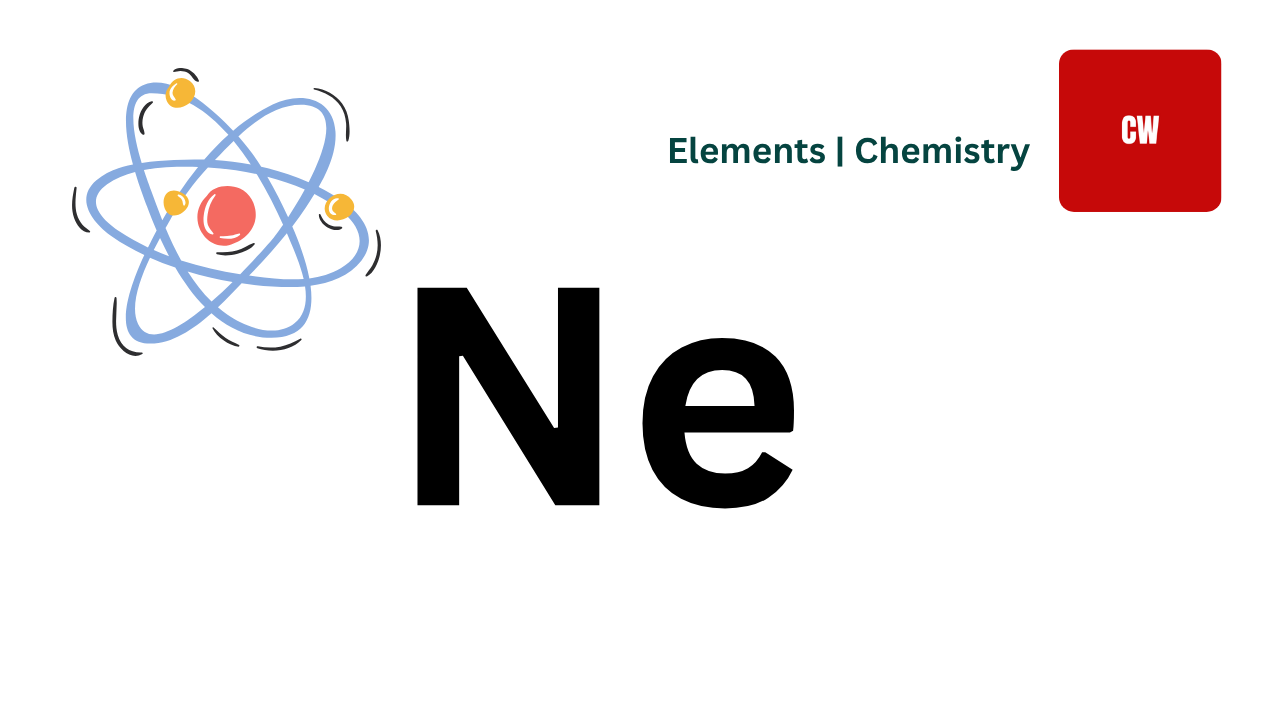
Neon (Ne)
🔹 Basic Information Neon is a non-reactive, colorless gas found in very small amounts in the Earth’s atmosphere. It’s part of the noble gas family, meaning it doesn’t usually react with other elements. You’ve definitely seen it before — it’s famous for its bright red-orange glow in neon signs! 🌆 🔸 Chemical Properties Neon has…
-
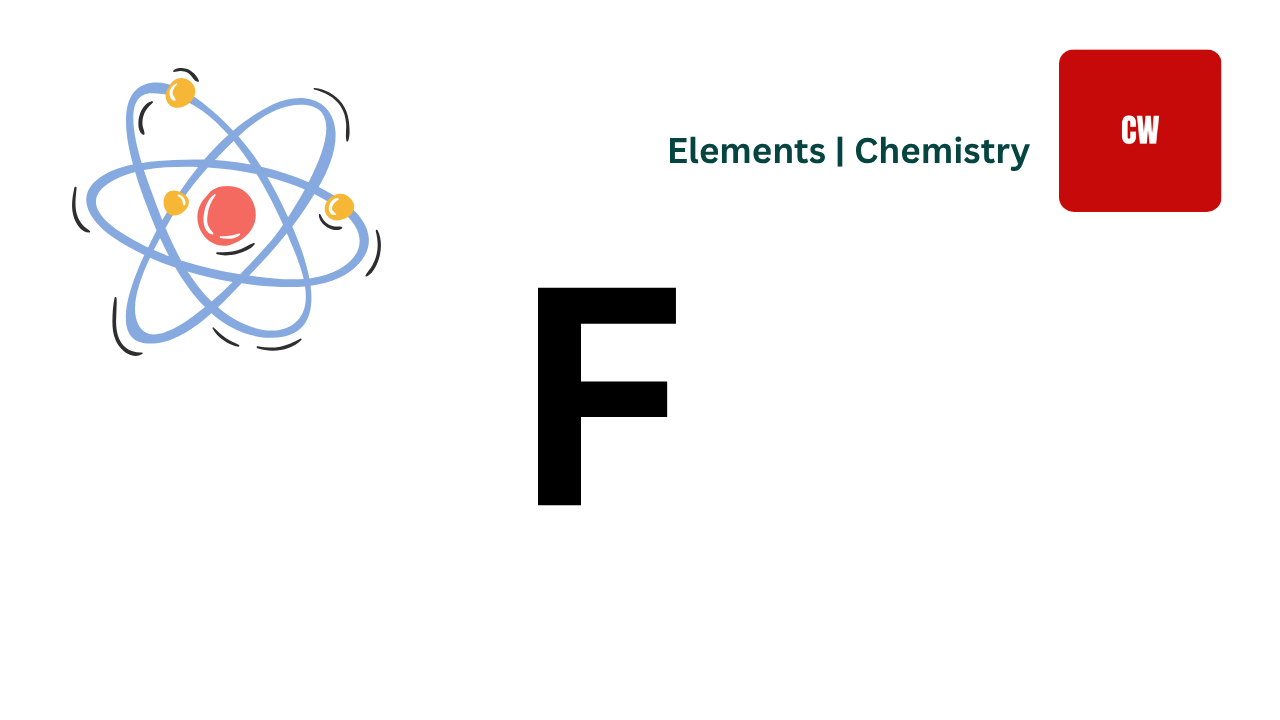
Fluorine (F)
🔹 Basic Information Fluorine is a very reactive, pale yellow gas that belongs to the halogen family. It’s the most reactive of all elements, and it can form compounds with almost every other element — even some noble gases! 🔸 Chemical Properties Fluorine has seven electrons in its outer shell, just one short of a…
-
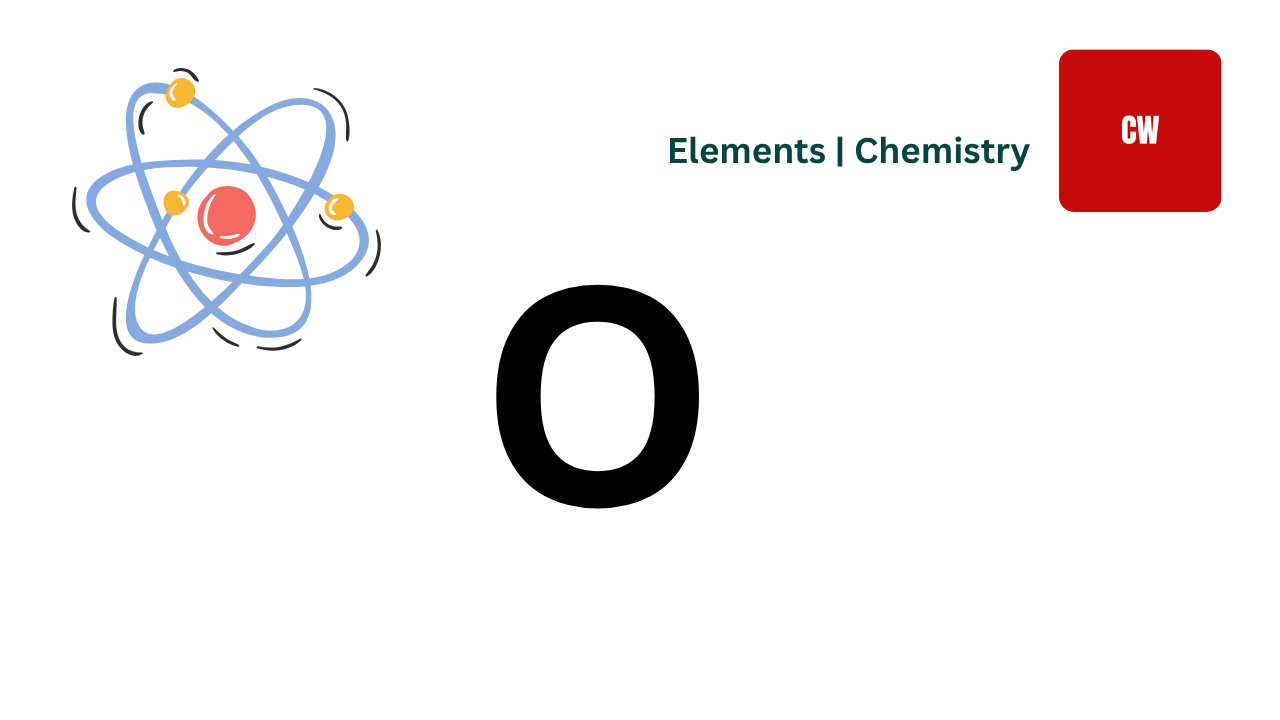
Oxygen (O)
🔹 Basic Information Oxygen is the most essential element for life as we know it. It’s a colorless, odorless gas that makes up about 21% of the Earth’s atmosphere and is needed by most living organisms to breathe. 🔸 Chemical Properties Oxygen has six electrons in its outer shell and readily forms compounds with nearly…
-
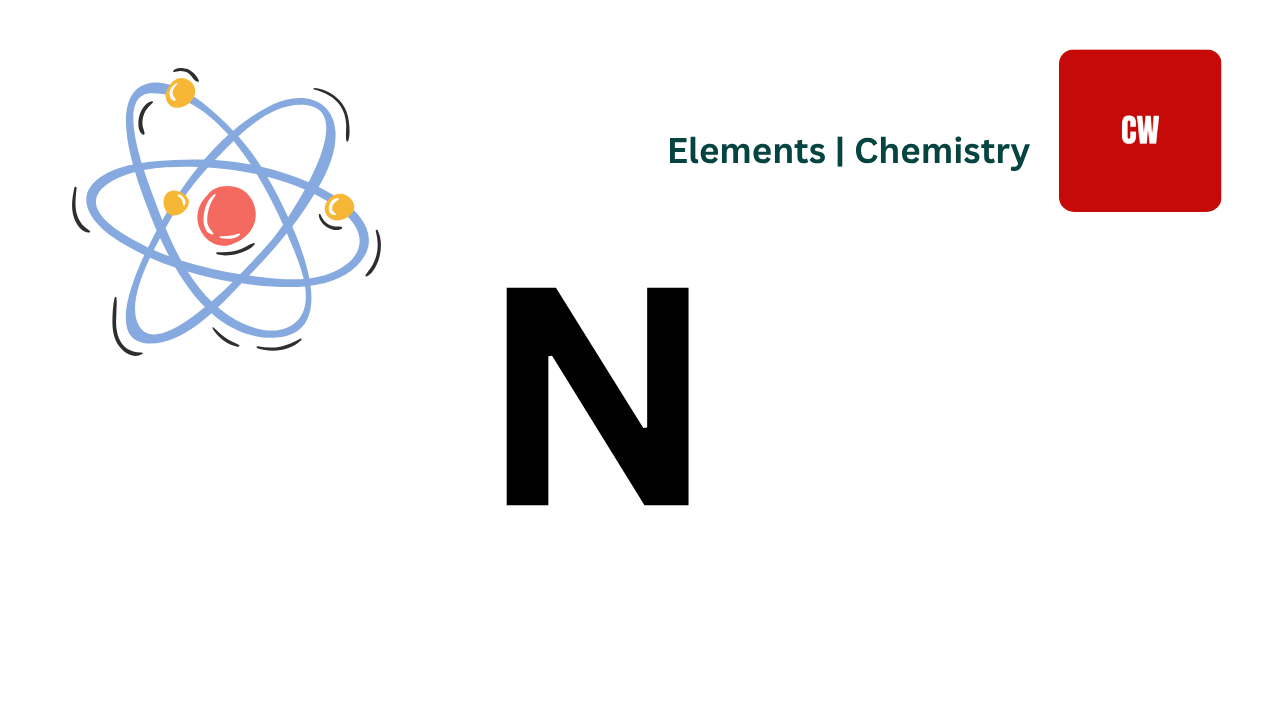
Nitrogen (N)
🔹 Basic Information Nitrogen is a colorless, odorless, and tasteless gas that makes up about 78% of Earth’s atmosphere. Even though it’s everywhere, it doesn’t easily react — making it stable and essential in many natural cycles. 🔸 Chemical Properties Nitrogen has five electrons in its outer shell, so it tends to form strong triple…
-
Carbon (C)
🔹 Basic Information Carbon is a unique and essential non-metal. It forms the basis of all life on Earth — found in everything from your body to trees, food, plastics, and even air (as CO₂). It’s known for its many forms, including diamond, graphite, and coal. 🔸 Chemical Properties Carbon has four outer electrons, which…
-
Boron (B)
🔹 Basic Information Boron is a metalloid, meaning it has properties of both metals and non-metals. Though not well-known, boron plays a vital role in plants, industry, and even space technology! 🚀 🔸 Chemical Properties Boron tends to form covalent bonds and often makes borates, which are compounds used in glass, detergents, and ceramics. 📘…
-
Beryllium (Be)
🔹 Basic Information Beryllium is a strong, lightweight metal with a silvery-gray appearance. It belongs to the alkaline earth metals and is known for its stiffness, lightness, and resistance to heat. 🔸 Chemical Properties Beryllium has two outer electrons, making it reactive, though less so than other alkaline earth metals. It forms compounds like beryllium…
-
Lithium (Li)
🔹 Basic Information Lithium is a light, soft, and highly reactive metal. It belongs to the alkali metals, which are known for reacting strongly with water and air. Lithium is the lightest metal and one of the most important elements in modern technology! 🔸 Chemical Properties Lithium has one electron in its outer shell, making…
-
Helium (He)
🔹 Basic Information Helium is a very light, non-reactive gas. It’s the second most abundant element in the universe (after hydrogen) and was first discovered not on Earth, but in the Sun! ☀️ 🔸 Chemical Properties Helium has a full outer electron shell, which makes it extremely stable and unreactive — a typical trait of…
-
Hydrogen H
🔹 Basic Information Hydrogen is the first and lightest element in the periodic table. It plays a key role in chemistry, the universe, and life itself. 🔸 Chemical Properties Hydrogen has just one proton and one electron, making it the simplest atom. Despite its simplicity, it forms bonds with many elements and is found in…
-

What Are Optimizers in Machine Learning? Types and Examples
Part 1: Rewritten Article What Is an Optimizer in Machine Learning? A Beginner’s Guide If you’re new to machine learning, you’ve probably heard that models “learn” from data. But how does that learning actually happen? The answer lies with a crucial component called the optimizer. Think of an optimizer as a coach for your machine…