Author: Team ClassWork
-
Plutonium (Pu)
🔹 Basic Information Plutonium is a silvery-gray radioactive metal used mainly in nuclear reactors and weapons. It is man-made but also found in tiny amounts in nature. 🔸 Chemical Properties Plutonium can exist in several different oxidation states, making its chemistry complex and interesting. 📘 Basic Things to Know Named after the dwarf planet Pluto,…
-
Neptunium (Np)
🔹 Basic Information Neptunium is a synthetic, radioactive metal that was the first transuranic element (element after uranium). It’s man-made, although tiny amounts occur naturally in uranium ores. 🔸 Chemical Properties Neptunium is chemically active, forming various oxides and halides. Its ability to exist in multiple oxidation states makes it useful in research. 📘 Basic…
-
Uranium (U)
🔹 Basic Information Uranium is a heavy, silvery-gray metal that’s naturally radioactive. It is found in rocks, soil, and seawater, and is used widely for nuclear energy and weapons. 🔸 Chemical Properties Uranium is a reactive metal that forms complex oxides. The most common isotope is U-238, but U-235 is crucial for nuclear reactions. 📘…
-
Protactinium (Pa)
🔹 Basic Information Protactinium is a rare, silvery-gray metal that’s radioactive and found in trace amounts in uranium ores. It’s part of the actinide series on the periodic table. 🔸 Chemical Properties It behaves chemically like uranium and thorium and is known for forming complex compounds with oxygen and halogens. 📘 Basic Things to Know…
-
Copernicium (Cn)
🔹 Basic Information Copernicium is a synthetic, radioactive element that does not exist in nature and is created only in laboratories. 🔸 Chemical Properties Though it’s in the same group as mercury, Copernicium might act very differently due to its superheavy atomic structure. 📘 Basic Things to Know Copernicium is named after Nicolaus Copernicus, the…
-
Roentgenium (Rg)
🔹 Basic Information Roentgenium is a man-made, synthetic element created in a laboratory — it does not exist naturally and has only been seen in extremely small amounts. 🔸 Chemical Properties Roentgenium is in the same group as gold (Au), so scientists think it might have similar metallic properties, but this is still mostly theoretical.…
-
Darmstadtium (Ds)
🔹 Basic Information Darmstadtium is a synthetic, radioactive element, named after the city of Darmstadt, where it was first created in a laboratory. 🔸 Chemical Properties Though it’s in the same group as platinum, Darmstadtium may not behave exactly like lighter group 10 metals due to relativistic effects (changes in electron behavior in very heavy…
-
Moscovium (Mc)
🔹 Basic Information Moscovium is a synthetic, man-made element — it does not occur naturally and exists for only a short time in laboratory experiments. 🔸 Chemical Properties Its chemical behavior is still mostly theoretical, but it may behave like a heavier version of bismuth. 📘 Basic Things to Know Moscovium is named after Moscow…
-
Flerovium (Fl)
🔹 Basic Information Flerovium is a man-made, radioactive element created in a laboratory. It’s part of the group of superheavy elements. 🔸 Chemical Properties Though it sits under lead on the periodic table, flerovium may not act like a typical metal due to relativistic effects that influence its electrons. 📘 Basic Things to Know Flerovium…
-
Nihonium (Nh)
🔹 Basic Information Nihonium is a synthetic, radioactive element, meaning it’s man-made in labs and doesn’t exist naturally on Earth. 🔸 Chemical Properties Although it’s in Group 13, like aluminum and gallium, it might behave very differently due to its large size and unstable nucleus. 📘 Basic Things to Know Nihonium is the first element…
-
Livermorium (Lv)
🔹 Basic Information Livermorium is a synthetic, superheavy, and radioactive element created in labs — it doesn’t exist in nature. 🔸 Chemical Properties As a member of Group 16, it might behave like oxygen, sulfur, or polonium, but scientists aren’t fully sure yet due to its extreme instability. 📘 Basic Things to Know Livermorium is…
-
Tennessine (Ts)
🔹 Basic Information Tennessine is a synthetic element, meaning it is man-made in a lab and does not occur naturally. 🔸 Chemical Properties Tennessine belongs to the halogen group (like fluorine and chlorine), but it may not behave like typical halogens due to its heavy, unstable nature. 📘 Basic Things to Know Tennessine was named…
-
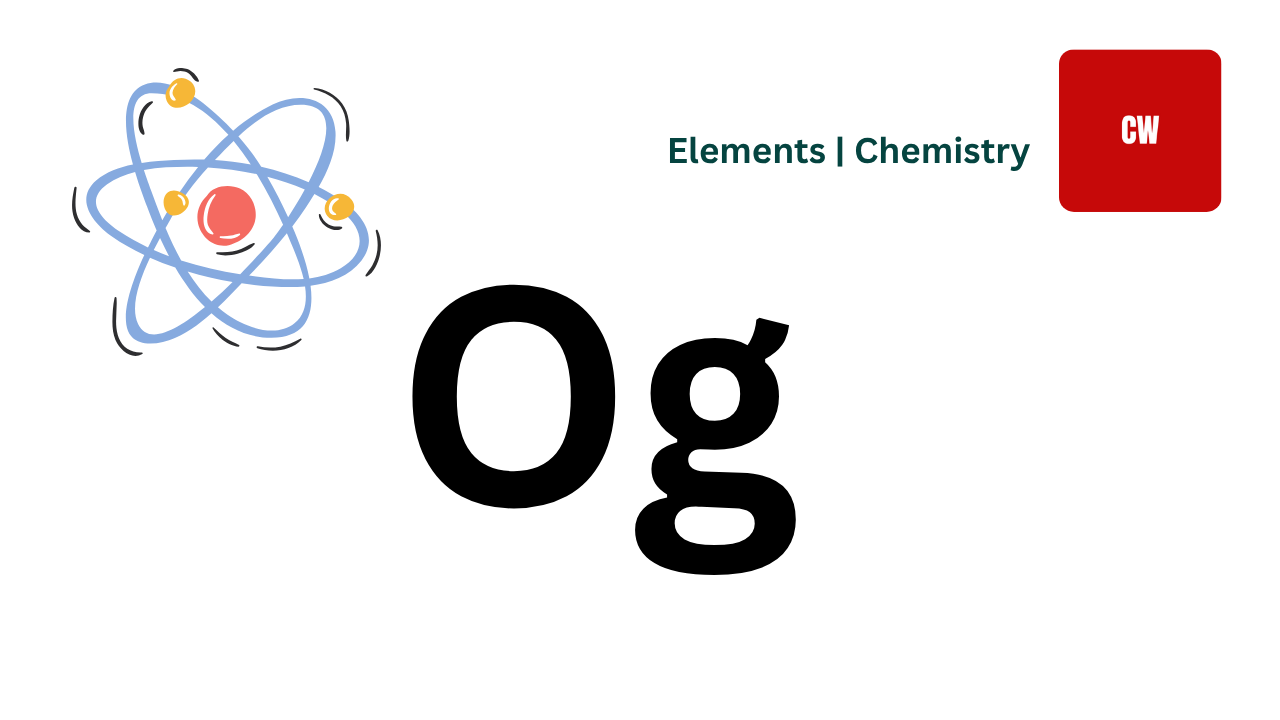
Oganesson (Og)
🔹 Basic Information Oganesson is a synthetic, radioactive element — it does not occur naturally and can only be made in labs. 🔸 Chemical Properties Og is in the noble gas group, but may not behave like typical noble gases due to its large atomic size and high reactivity. 📘 Basic Things to Know Oganesson…
-
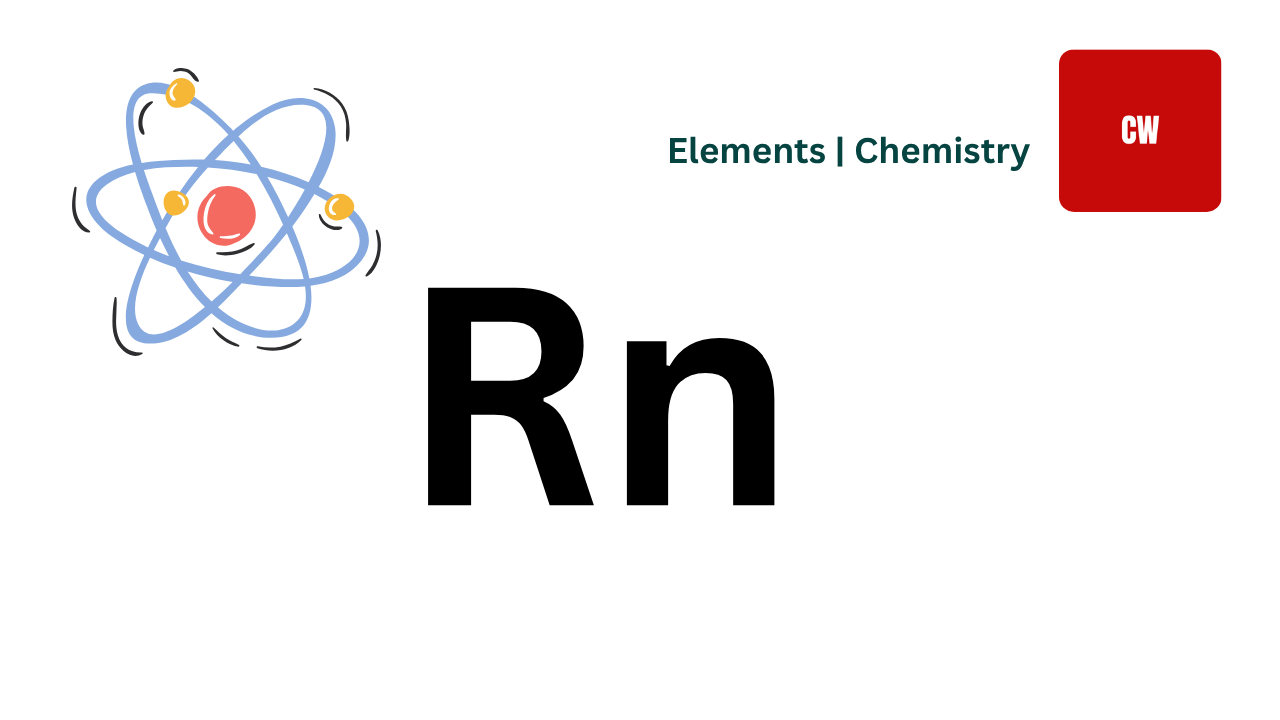
Radon (Rn)
🔹 Basic Information Radon is a radioactive noble gas that forms naturally when uranium decays underground. 🔸 Chemical Properties Radon is chemically inert, but its radioactivity makes it dangerous in high amounts. 📘 Basic Things to Know Radon gas can seep into homes from the soil below and is considered a major cause of lung…