Author: Team ClassWork
-
Neodymium (Nd)
🔹 Basic Information Neodymium is a rare earth metal and a member of the lanthanide series. It’s silvery and tarnishes quickly in air. 🔸 Chemical Properties Neodymium is moderately reactive, especially in moist air, and it forms a protective oxide layer. 📘 Basic Things to Know Neodymium is best known for making extremely powerful magnets.…
-
Praseodymium (Pr)
🔹 Basic Information Praseodymium is one of the lanthanide elements, known for their unique magnetic, optical, and electronic properties. 🔸 Chemical Properties Praseodymium oxidizes quickly in air, forming a green oxide coating. It’s reactive with water and acids. 📘 Basic Things to Know The name “Praseodymium” comes from Greek words meaning “green twin”, due to…
-
Cerium (Ce)
🔹 Basic Information Cerium is the second element in the lanthanide series and one of the most abundant rare earth elements in Earth’s crust! 🔸 Chemical Properties Cerium is reactive, especially in moist air. It tarnishes and can even catch fire when powdered. 🔥 📘 Basic Things to Know Cerium is named after the dwarf…
-
Lanthanum (La)
🔹 Basic Information Lanthanum is the first element in the lanthanide series, often called the “rare earth elements,” though it’s not actually that rare! 🔸 Chemical Properties Lanthanum is highly reactive, especially in moist air, where it quickly forms a white oxide coating. 📘 Basic Things to Know Lanthanum is soft enough to be cut…
-
Barium (Ba)
🔹 Basic Information Cesium is one of the most reactive metals, and it’s so soft it can be cut with a knife. It even melts in your hand if the temperature is warm enough! 🔸 Chemical Properties Cesium is highly reactive, especially with water — it reacts explosively! 💥 It must be stored in mineral…
-
Xenon (Xe)
🔹 Basic Information Xenon is a rare, heavy noble gas found in tiny amounts in the Earth’s atmosphere. 🔸 Chemical Properties Xenon is mostly unreactive, but under special conditions, it can form compounds with fluorine and oxygen — rare for a noble gas! 📘 Basic Things to Know Xenon is colorless and non-toxic under normal…
-
Iodine (I)
🔹 Basic Information Iodine is a non-metal that turns into a vibrant violet gas when heated — it’s known for both its color and its importance to our bodies. 🔸 Chemical Properties Iodine is highly reactive and forms compounds easily, especially iodides with metals. 📘 Basic Things to Know Iodine is an essential element for…
-
Tellurium (Te)
🔹 Basic Information Tellurium is a rare metalloid, meaning it has both metallic and non-metallic properties. 🔸 Chemical Properties Tellurium reacts slowly with air and burns with a blue flame, forming tellurium dioxide (TeO₂). 📘 Basic Things to Know Tellurium is more rare than gold in Earth’s crust. Though not well known, it’s very important…
-
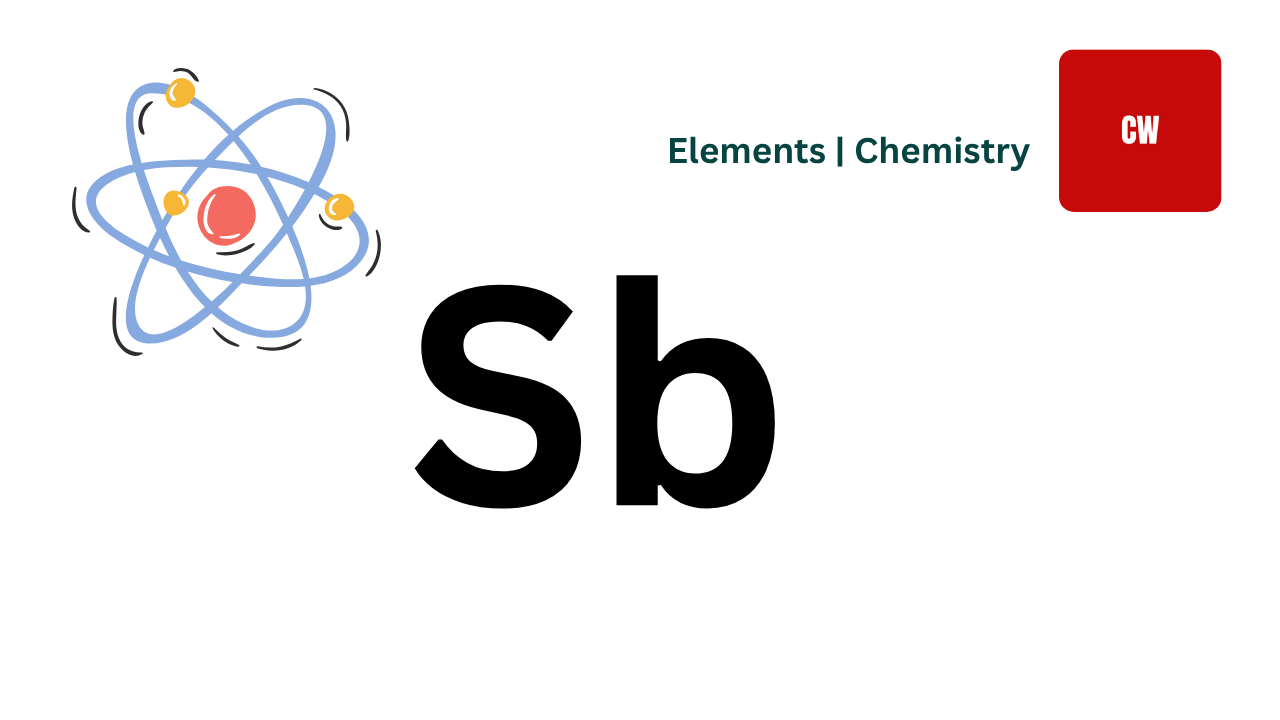
Antimony (Sb)
🔹 Basic Information Antimony is a metalloid — meaning it has properties of both metals and non-metals. 🔸 Chemical Properties Antimony is stable in dry air, but reacts with acids and halogens. It often forms compounds with sulfur and oxygen. 📘 Basic Things to Know Antimony has been used for thousands of years in cosmetics…
-
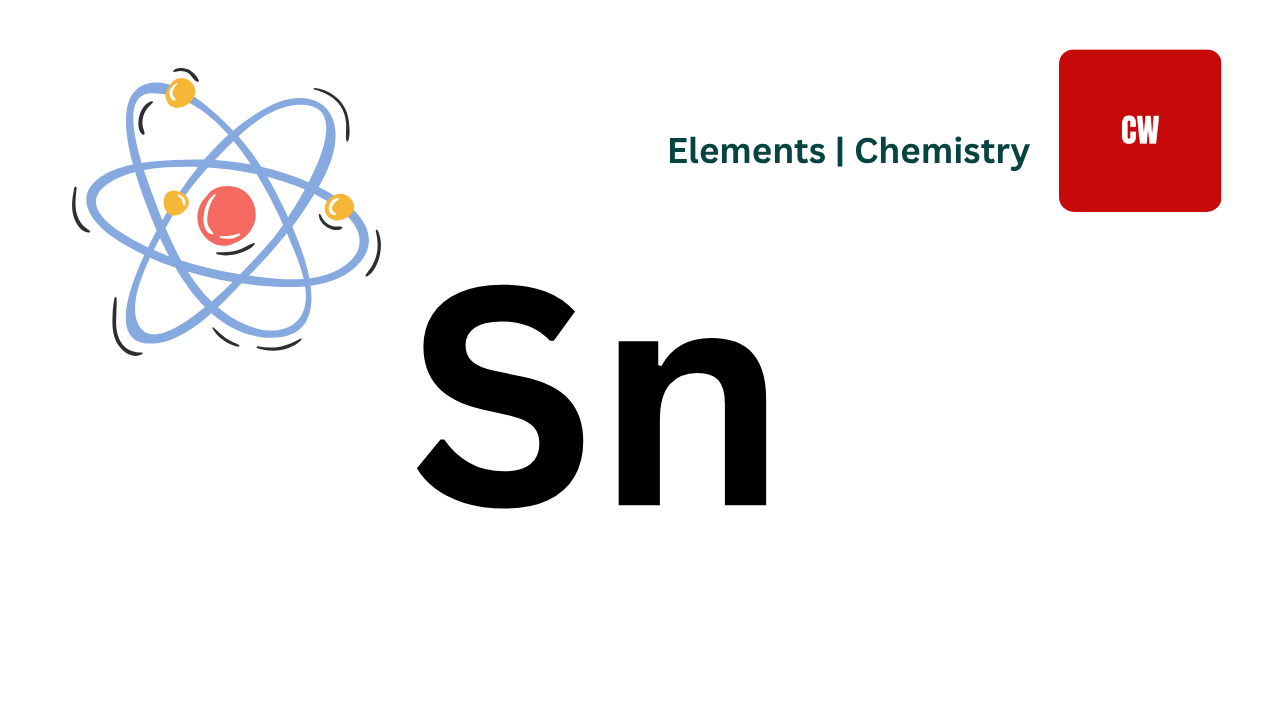
Tin (Sn)
🔹 Basic Information Tin is a soft, malleable metal that has been used by humans for thousands of years. 🔸 Chemical Properties Tin is resistant to corrosion and has two common forms: white tin (metallic) and grey tin (nonmetallic). 📘 Basic Things to Know Tin was a key metal in the Bronze Age, combined with…
-
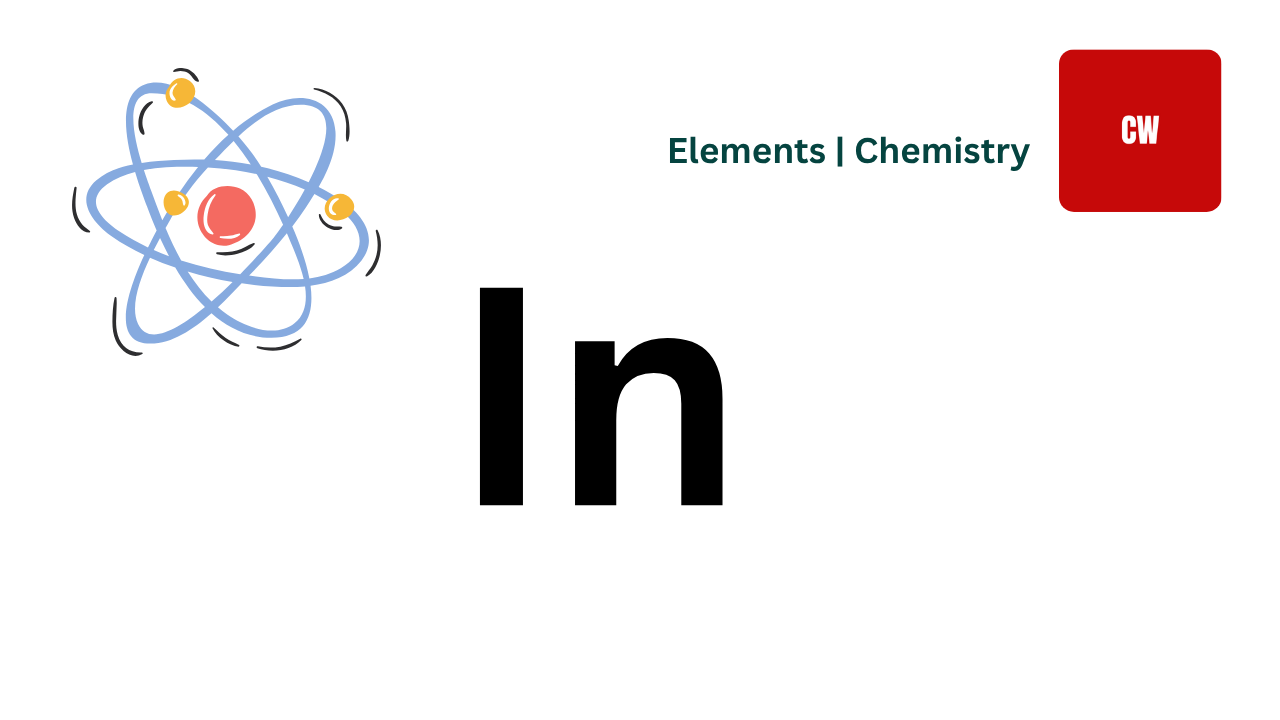
Indium (In)
🔹 Basic Information Indium is a rare, soft metal that’s flexible and can be easily shaped. 🔸 Chemical Properties Indium is stable in air and resists corrosion, making it useful in electronics. 📘 Basic Things to Know Indium’s name comes from the indigo blue color seen in its spectrum during discovery. It’s often obtained as…
-
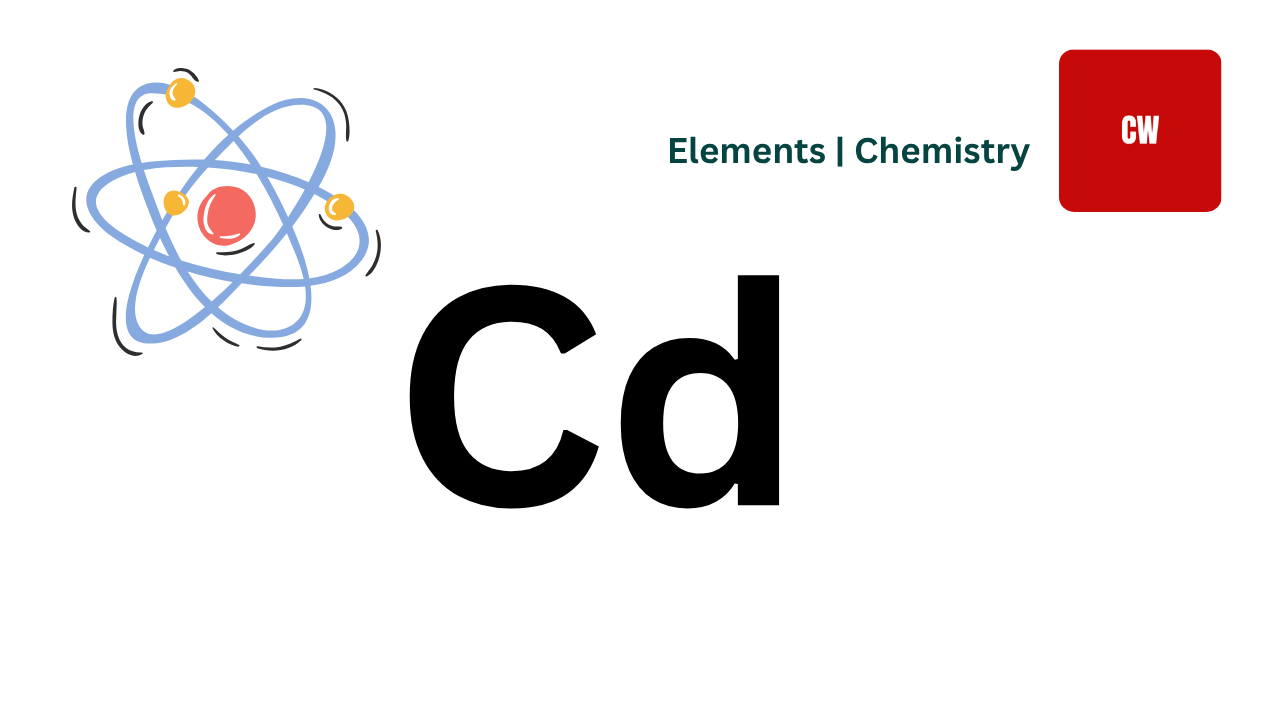
Cadmium (Cd)
🔹 Basic Information Cadmium is a soft metal often found as a byproduct when mining zinc, lead, or copper. 🔸 Chemical Properties Cadmium is chemically similar to zinc and mercury and is quite reactive with acids. 📘 Basic Things to Know Cadmium is toxic, meaning it can be harmful to humans and the environment, so…
-
Silver (Ag)
🔹 Basic Information Silver is famous for its lustrous shine, high conductivity, and antimicrobial properties. 🔸 Chemical Properties Silver is very conductive, both for electricity and heat, and resists corrosion in many environments. 📘 Basic Things to Know Silver has been used for thousands of years in coins, jewelry, and utensils. It is one of…
-
Palladium (Pd)
🔹 Basic Information Palladium is a rare, precious metal known for its lightweight, corrosion resistance, and excellent catalytic properties. 🔸 Chemical Properties Palladium is very stable and resistant to oxidation and corrosion, making it perfect for long-lasting industrial use. 📘 Basic Things to Know Palladium belongs to the platinum group metals (PGMs) along with platinum,…
-
Rhodium (Rh)
🔹 Basic Information Rhodium is a rare, precious metal known for its bright shine, hardness, and resistance to corrosion. 🔸 Chemical Properties Rhodium is very stable and does not easily react with oxygen or acids, making it excellent for use in harsh environments. 📘 Basic Things to Know Rhodium belongs to the platinum group metals…