-
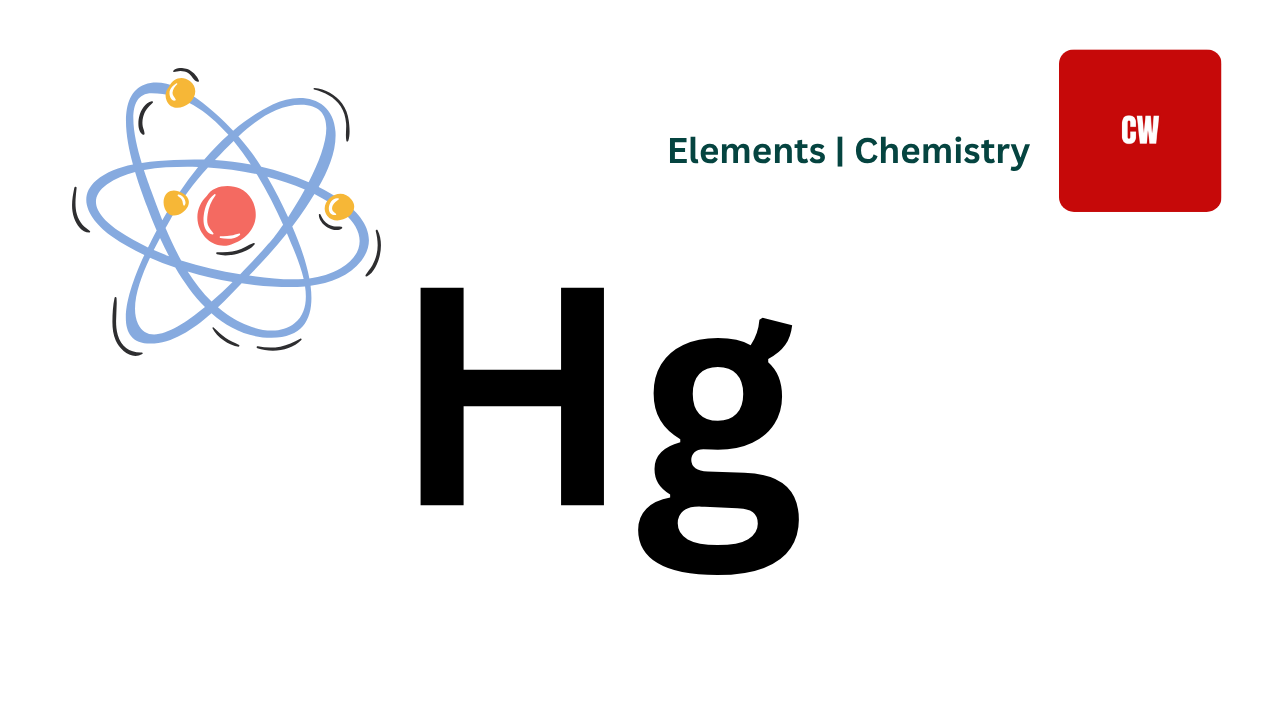
Mercury (Hg)
🔹 Basic Information Mercury is the only metal that is liquid at room temperature, and it’s known for its mirror-like appearance and unique behavior. 🔸 Chemical Properties Mercury is toxic and must be handled with extreme care. It forms compounds like mercury chloride (HgCl₂) and mercuric oxide (HgO). 📘 Basic Things to Know Mercury is…
-
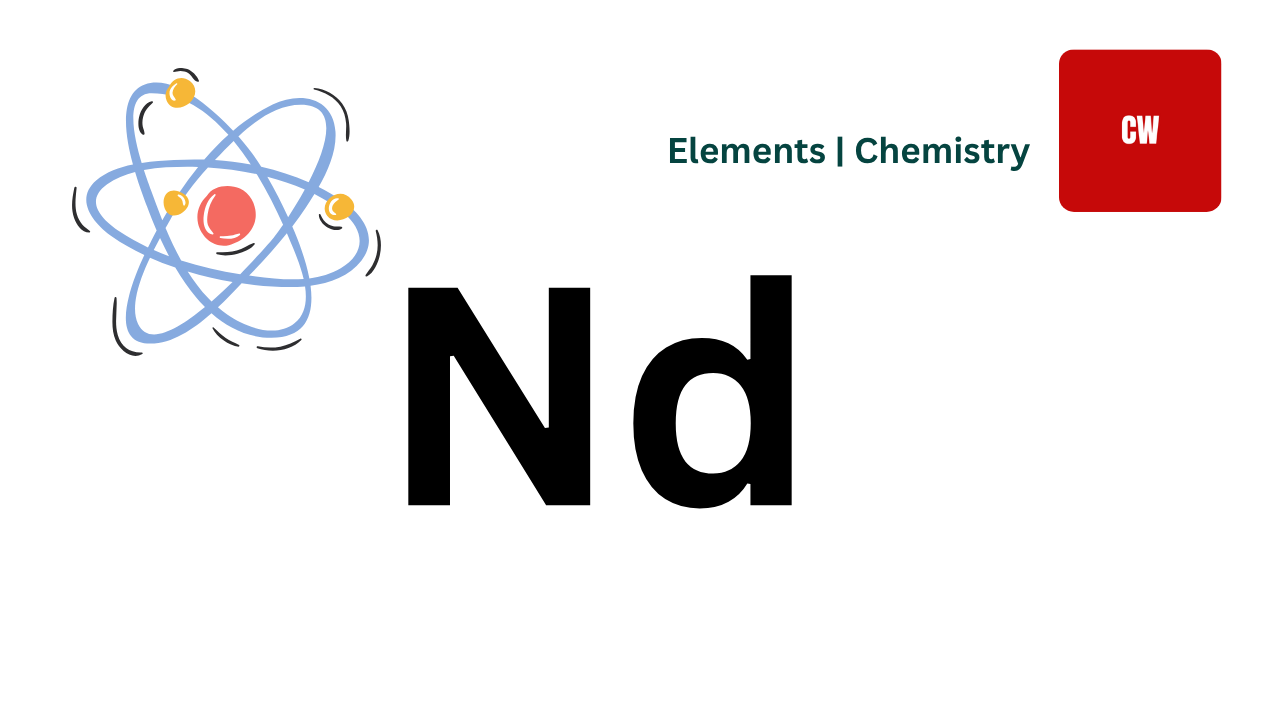
Neodymium (Nd)
🔹 Basic Information Neodymium is a rare earth metal and a member of the lanthanide series. It’s silvery and tarnishes quickly in air. 🔸 Chemical Properties Neodymium is moderately reactive, especially in moist air, and it forms a protective oxide layer. 📘 Basic Things to Know Neodymium is best known for making extremely powerful magnets.…
-
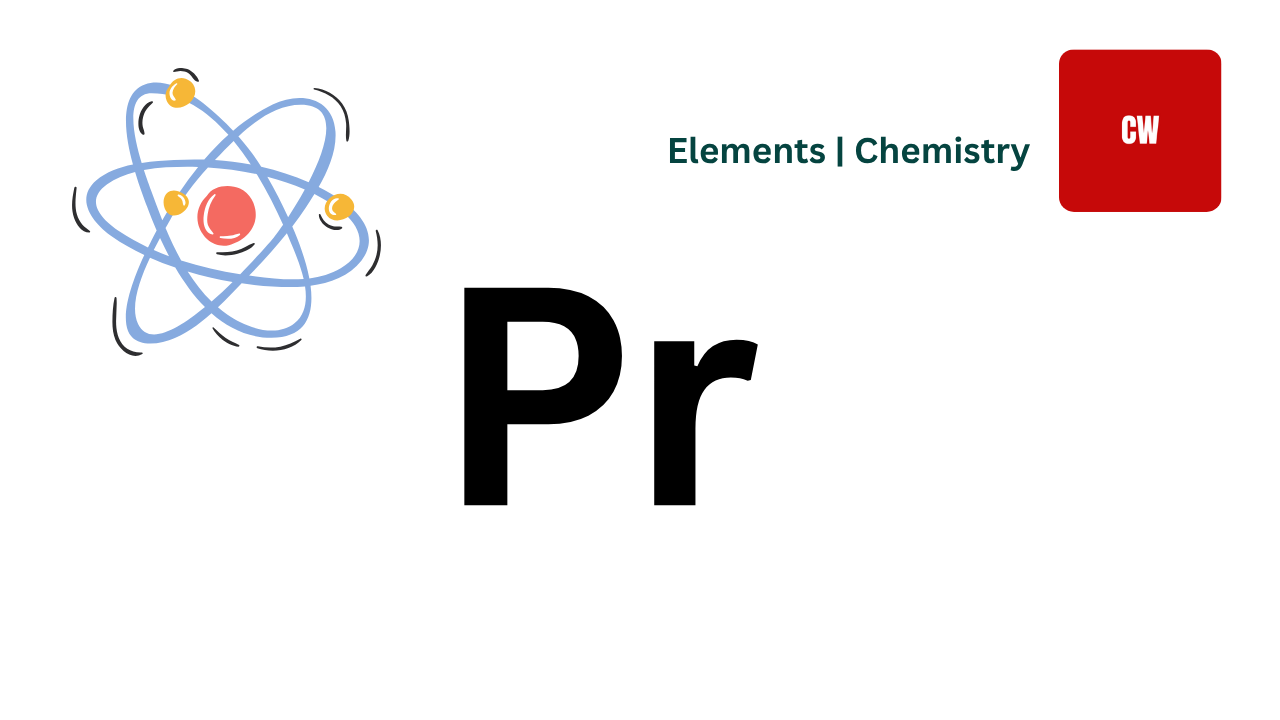
Praseodymium (Pr)
🔹 Basic Information Praseodymium is one of the lanthanide elements, known for their unique magnetic, optical, and electronic properties. 🔸 Chemical Properties Praseodymium oxidizes quickly in air, forming a green oxide coating. It’s reactive with water and acids. 📘 Basic Things to Know The name “Praseodymium” comes from Greek words meaning “green twin”, due to…
-
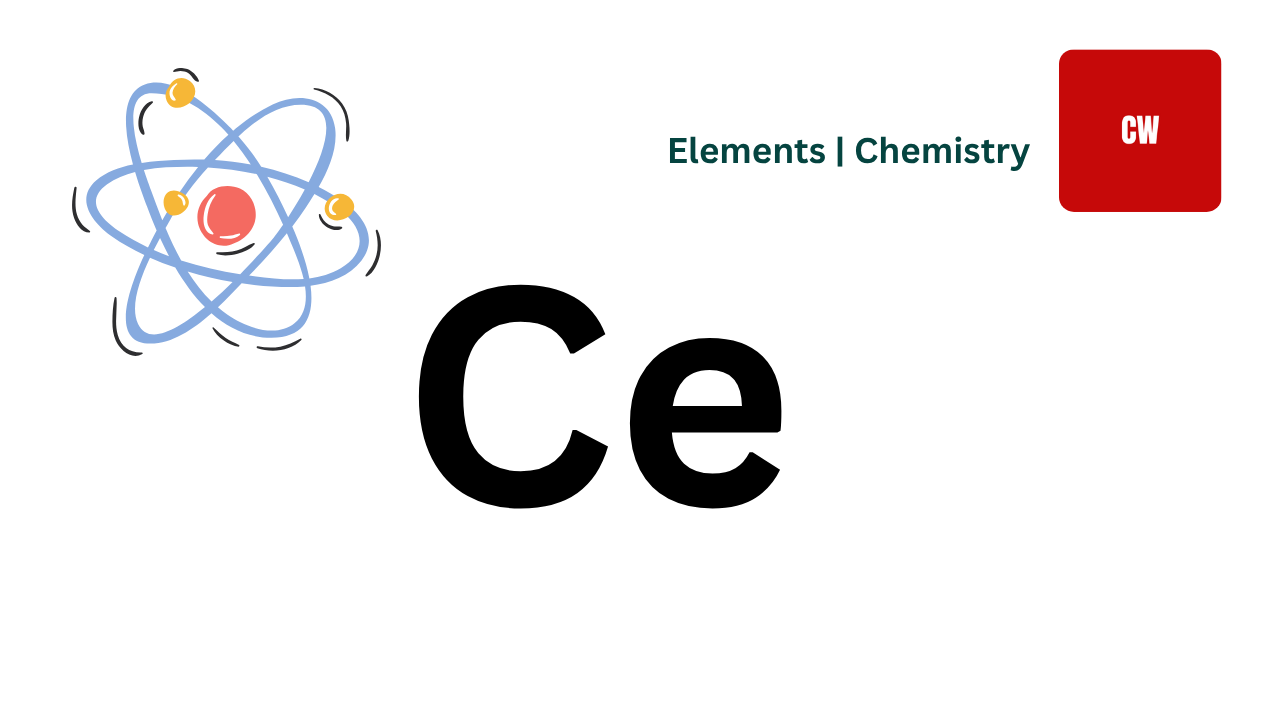
Cerium (Ce)
🔹 Basic Information Cerium is the second element in the lanthanide series and one of the most abundant rare earth elements in Earth’s crust! 🔸 Chemical Properties Cerium is reactive, especially in moist air. It tarnishes and can even catch fire when powdered. 🔥 📘 Basic Things to Know Cerium is named after the dwarf…
-
Lanthanum (La)
🔹 Basic Information Lanthanum is the first element in the lanthanide series, often called the “rare earth elements,” though it’s not actually that rare! 🔸 Chemical Properties Lanthanum is highly reactive, especially in moist air, where it quickly forms a white oxide coating. 📘 Basic Things to Know Lanthanum is soft enough to be cut…
-
Barium (Ba)
🔹 Basic Information Cesium is one of the most reactive metals, and it’s so soft it can be cut with a knife. It even melts in your hand if the temperature is warm enough! 🔸 Chemical Properties Cesium is highly reactive, especially with water — it reacts explosively! 💥 It must be stored in mineral…
-
Xenon (Xe)
🔹 Basic Information Xenon is a rare, heavy noble gas found in tiny amounts in the Earth’s atmosphere. 🔸 Chemical Properties Xenon is mostly unreactive, but under special conditions, it can form compounds with fluorine and oxygen — rare for a noble gas! 📘 Basic Things to Know Xenon is colorless and non-toxic under normal…
Looking for something?
Latest Articles
- Bridging the Academia–Industry Divide in India: Strategies for Translating Research into Practical Business Impact
- The Foundations of Scientific Research: A Critical Examination of Fact-Finding, Analysis, and Evaluation
- The Strategic Importance of Research in Management: Driving Evidence-Based Decision Making and Innovation
- Objectivity in Research: Upholding Neutrality, Scientific Integrity, and Evidence-Based Inquiry
- Challenges in Empirical Research in India: Structural Barriers, Methodological Constraints, and Pathways for Improvement
Follow Us
Advertisement


